Tools & Food Preparation

Stone Axe 

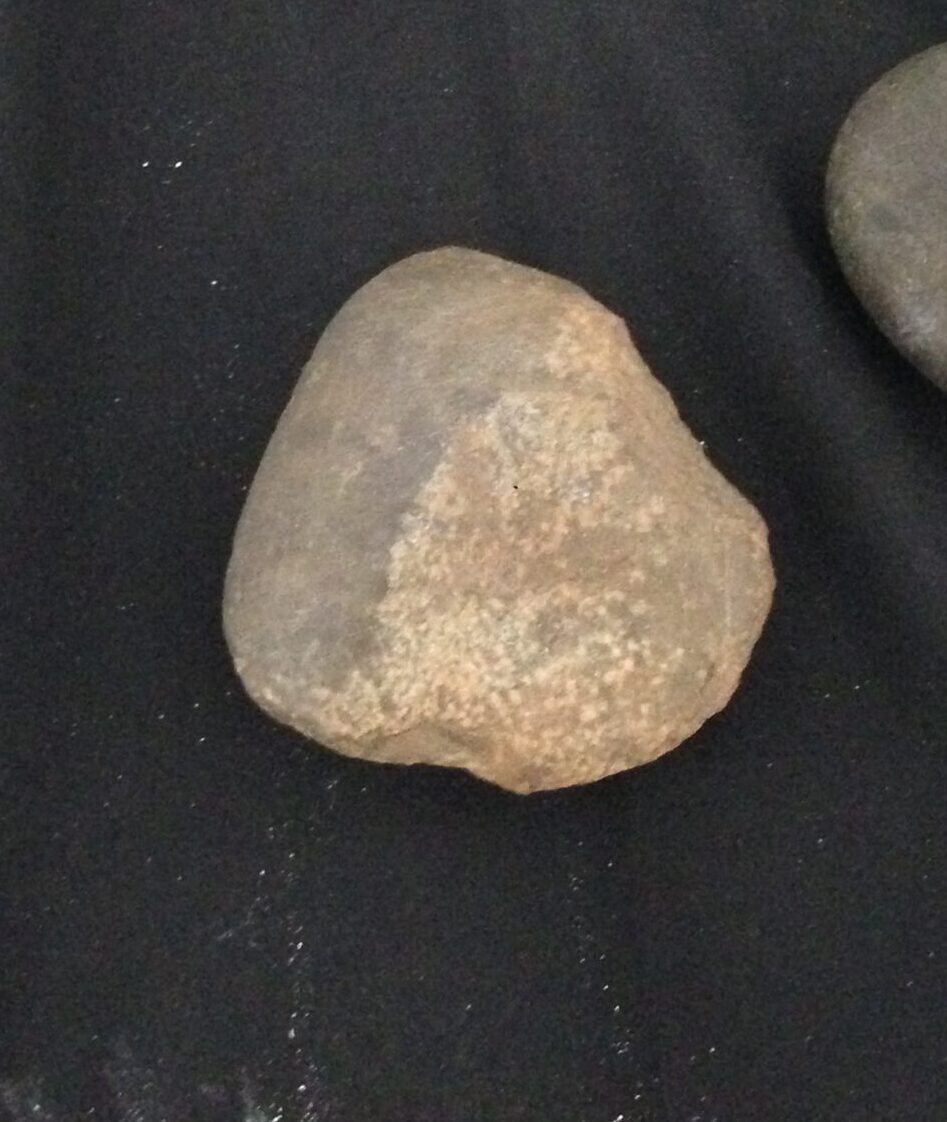
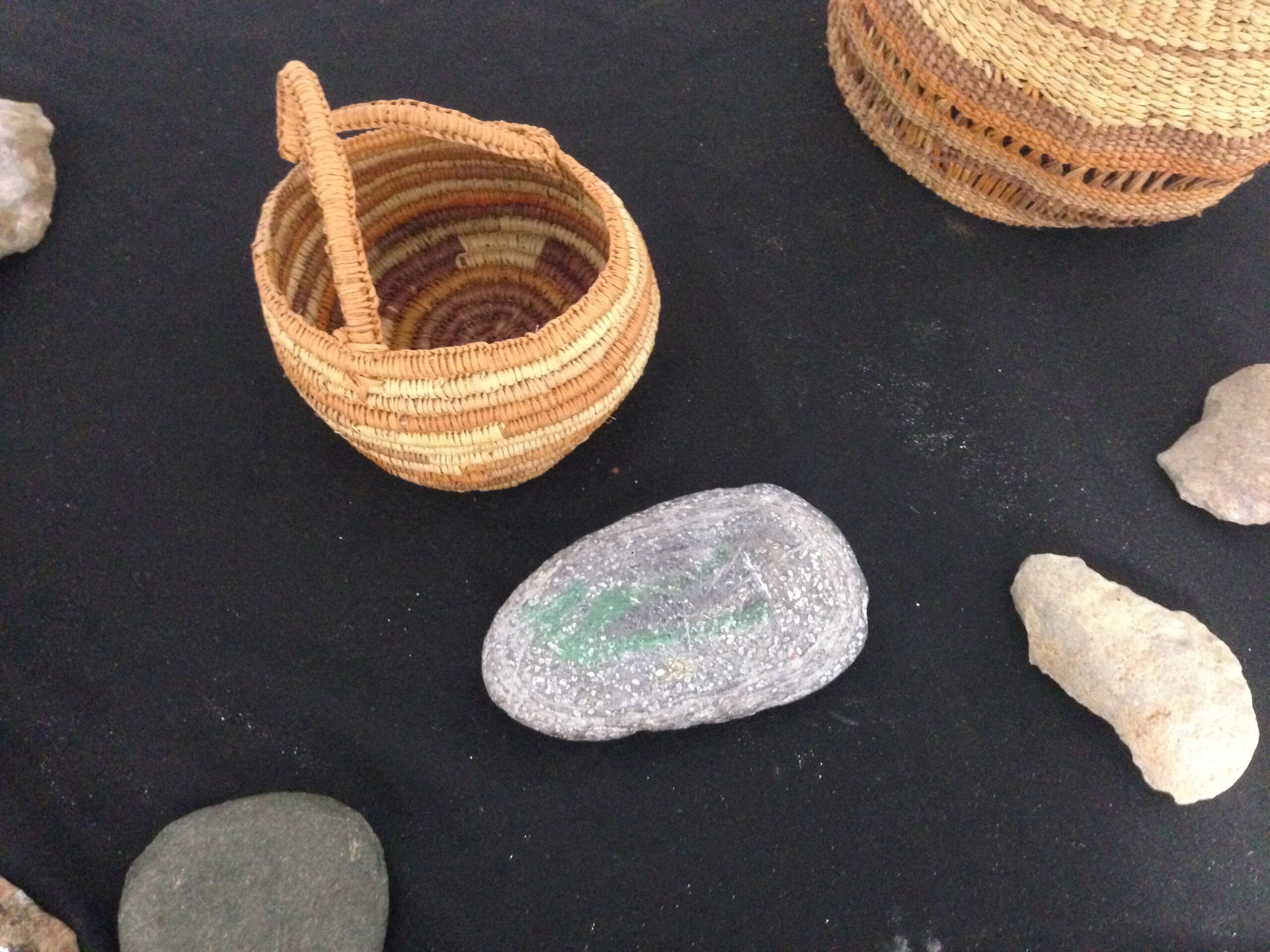
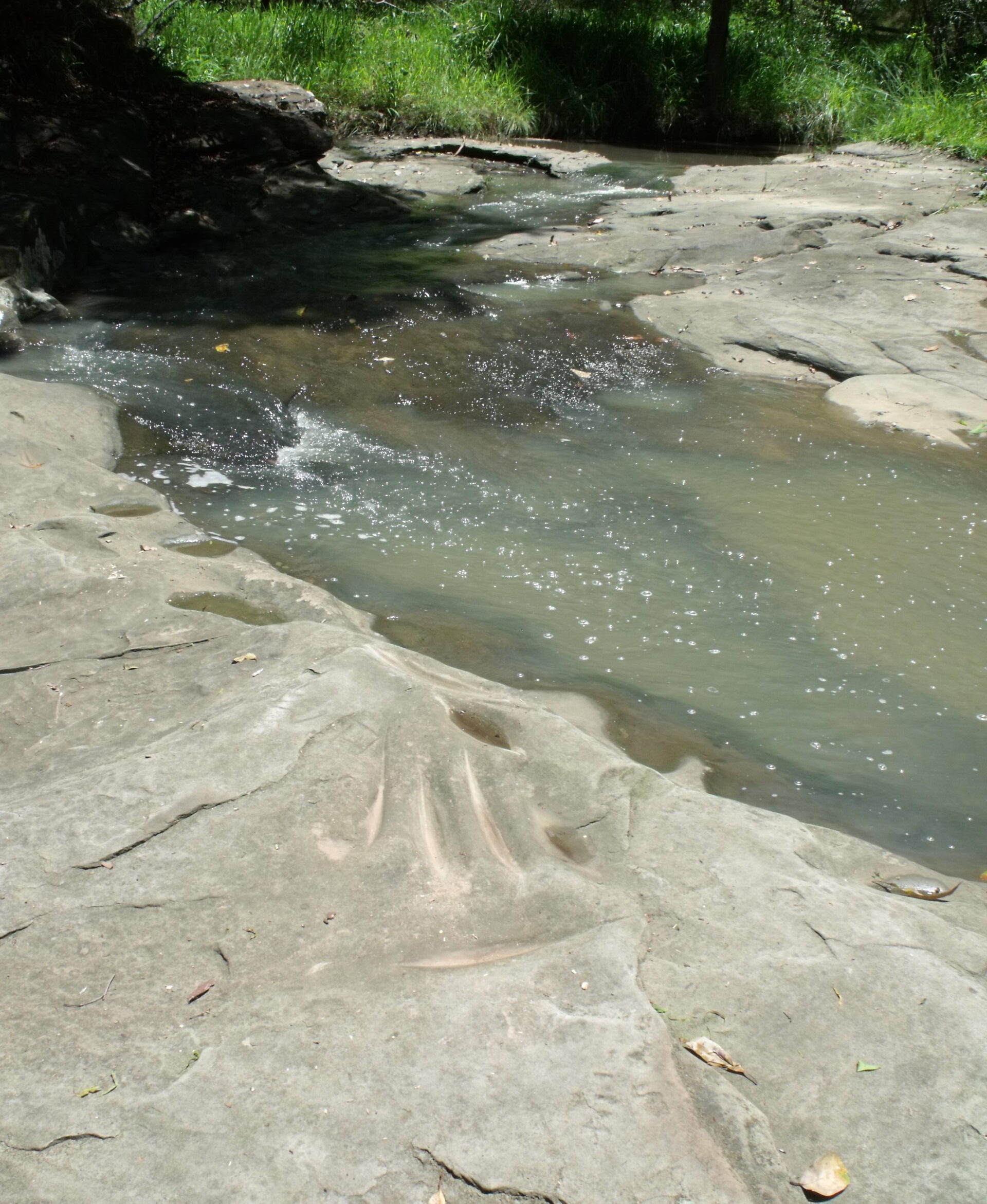
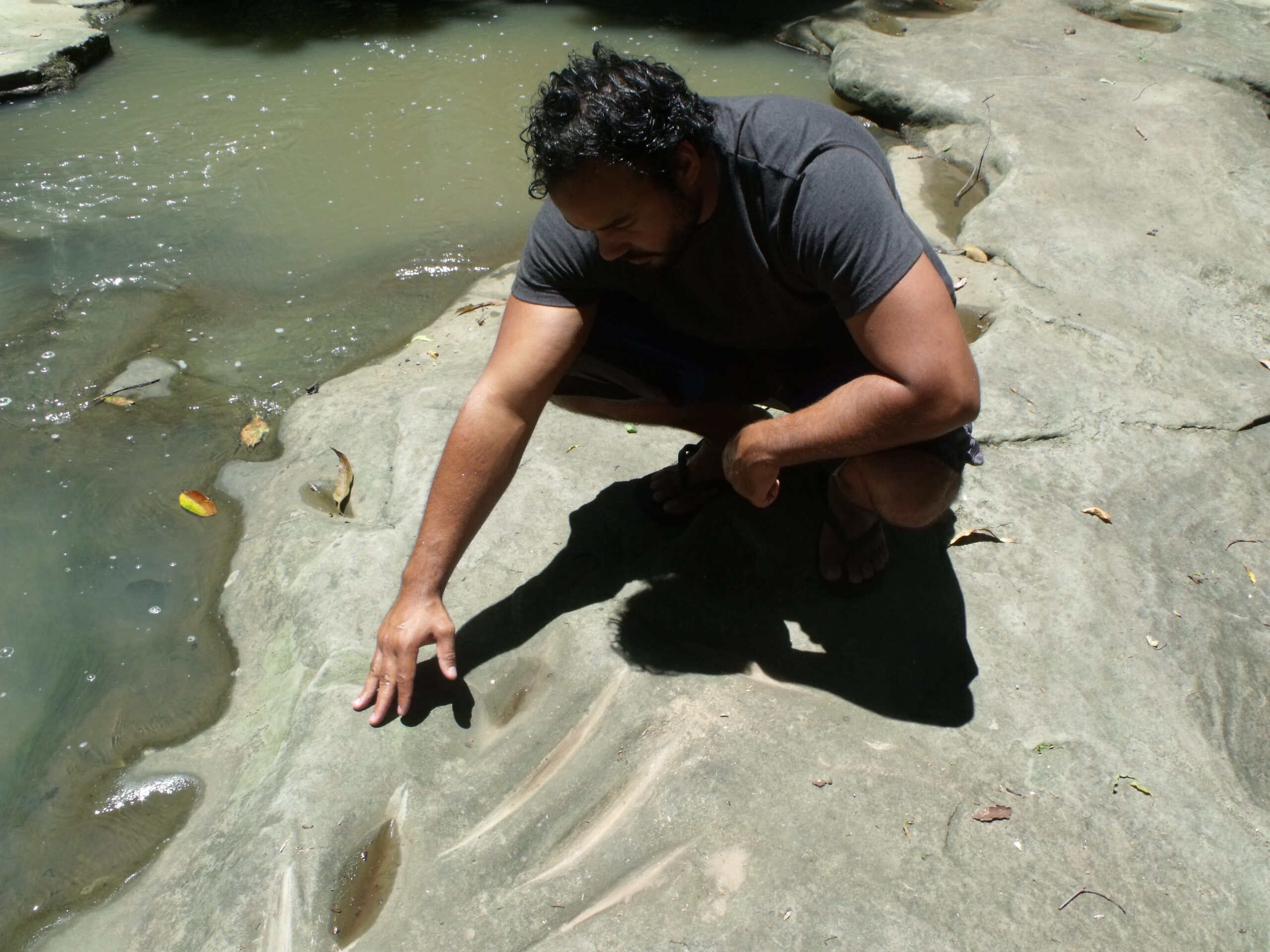
tone axes were important tools used by Aboriginal people for cutting wood, shaping materials, building shelters, and everyday survival on Country. Because stone axes became blunt over time, people travelled to important grinding groove sites, such as the Landsborough Grinding Grooves, to sharpen and reshape them.

These places became important learning and trading areas where families gathered to work, share knowledge, and exchange goods, food, tools, and materials with other groups. Axe heads were shaped and sharpened from stone, while handles were commonly made from strong wood and carefully attached using natural fibres, resin, and traditional methods passed down through generations.


Uses

  • Watch the video on how these are made!

Boiling Water

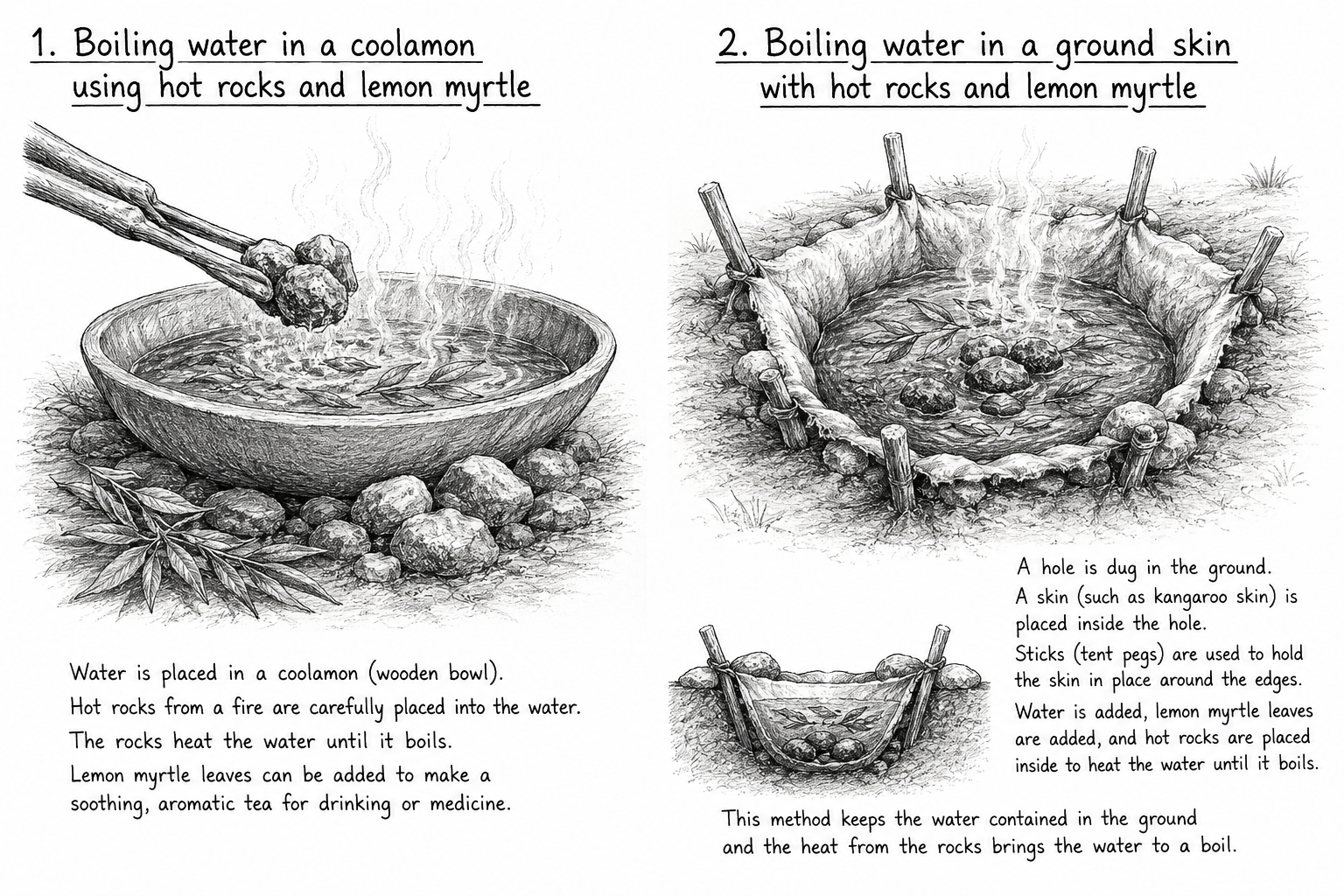
Before metal pots were available, Aboriginal people developed clever ways to boil water using natural materials found on Country. Water could be held in a large coolamon or animal skin container, while specially selected heated stones were carefully placed into the water to gradually bring it to a boil. This knowledge was highly valued and was often used in preparing medicines, healing practices, and food preparation, demonstrating the ingenuity and scientific understanding of Aboriginal people.

Uses

  • Making medicine using this method 

Log in to see more or sign up today! 

Join a growing number of schools seeking to embed authentic First Nations histories, cultures, and knowledges into teaching and learning.

The Djaa Teacher Hub extends the learning beyond the game, providing access to lesson ideas, activities, student task cards, videos, and cultural resources that help bring classroom learning to life. Students love exploring the Djaa world, but the Teacher Hub helps them connect that experience to real-world culture, Country, history, and community.

Journey alongside Buangan and his family as he learns from Elders, develops new skills, explores Country, attends the Bunya Dreaming gathering, creates tools and weapons, makes fire, and grows in knowledge, responsibility, and connection to community. Through Djaa, students experience culture through story, exploration, and learning — seeing the world through the eyes of a young Kabi Kabi boy as he finds his place within his community.

What Awaits Beyond the Free Resources?

Unlock additional lesson plans, classroom activities, student task cards, videos, assessments, and cultural learning resources designed to help teachers confidently continue the journey through the Djaa Universe. Every new resource helps students deepen their understanding of culture, Country, and the important role they play in caring for both.